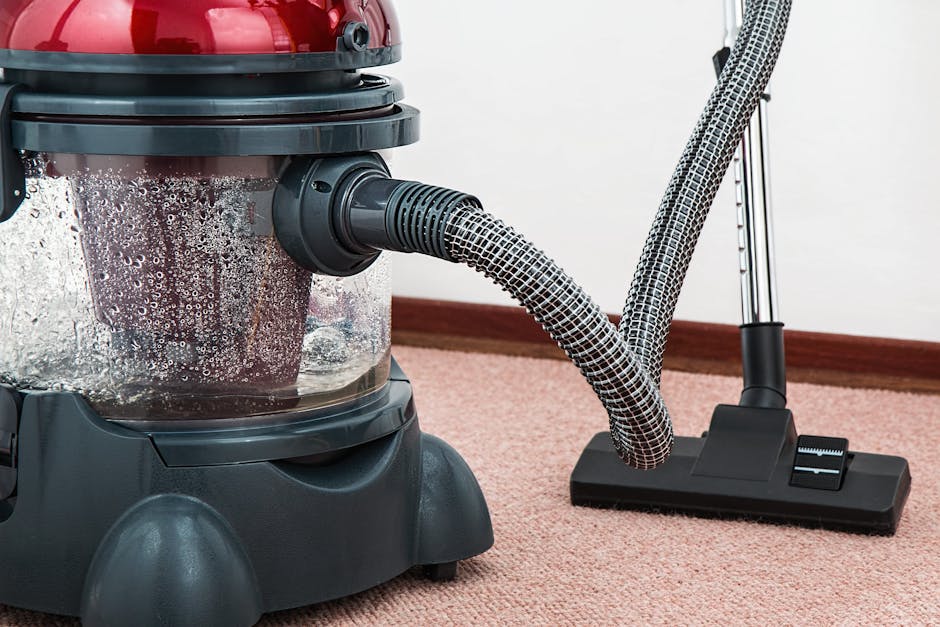
Deep carpet cleaning for W3 homes on Churchfield Road

If you live on Churchfield Road, you already know how quickly carpets pick up life: hallway dust, wet shoes on a grey London afternoon, tea spills that happen before you've even noticed, and the odd pet footprint that appears from nowhere. Deep carpet cleaning for W3 homes on Churchfield Road is not just about making fibres look brighter for a day. It is about lifting embedded dirt, refreshing traffic lanes, and helping your home feel properly cared for again.
Whether you are getting ready for guests, moving out, tackling stale odours, or simply tired of that dull patch in the lounge, the right deep clean can make a real difference. In this guide, we'll look at how the process works, what results to expect, where people go wrong, and how to decide if professional carpet care is the right next step. No fluff. Just the stuff that helps.
Why Deep carpet cleaning for W3 homes on Churchfield Road Matters
Carpets are a bit like quiet record-keepers. They hold onto what happens day to day, especially in a busy home. Fine dust settles near skirting boards, grit gets pressed in by shoes, and fibres can start to look flat long before they are actually worn out. On a road like Churchfield Road, where family homes, flats, and busy households all overlap, that matters more than people sometimes realise.
Deep cleaning is different from a quick vacuum or a surface shampoo. It aims to reach deep into the pile where ordinary cleaning cannot properly go. That means trapped dust, allergens, body oils, food residue, and grime from high-traffic areas are more likely to be removed. And yes, carpets often smell better too. Not perfume-fresh, just clean. Which, to be fair, is the point.
There is also the everyday comfort factor. Fresh carpet feels better underfoot. It softens the room visually and can make a whole home feel more settled. If you're selling, letting, or preparing for a new tenancy, it can also help the property present more neatly. For home care planning beyond carpets, some readers also look at domestic cleaning in W3 or house cleaning support when the whole property needs a reset rather than one isolated job.
Expert summary: Deep carpet cleaning is most valuable when dirt is embedded, odours linger, or the carpet's appearance has gone flat despite regular vacuuming. It is a restorative service, not just a cosmetic one.
How Deep carpet cleaning for W3 homes on Churchfield Road Works
Deep carpet cleaning is not one single method. In practice, it is a process built around inspection, soil removal, cleaning solution selection, agitation, extraction, and drying. The right sequence matters. Skip one part and you may end up with a carpet that looks damp, patchy, or only half cleaned. Nobody wants that awkward moment where the lounge smells clean but the traffic lane still looks tired.
Most professional work begins with a close look at fibre type, stain pattern, backing sensitivity, and overall condition. Wool, synthetic blends, and loop piles all behave differently. A good cleaner will not treat them like identical materials. That is important because the wrong temperature, moisture level, or detergent can cause browning, shrinkage, or texture distortion.
After inspection, the technician usually removes loose soil with thorough vacuuming. Then comes pre-treatment. This helps loosen stuck-on dirt and break down greasy residues. For heavier soiling, the carpet may be agitated gently so the solution reaches deeper into the pile. Extraction then lifts away the loosened soil and liquid. Depending on the method used, the carpet may need time to dry naturally or with airflow support.
Some jobs also involve spot treatment for isolated issues like coffee, muddy footprints, or pet accidents. This is where experience matters. A stain is not just a stain. The composition matters, the age matters, and the fibre type matters. One wrong move and the mark can spread or set permanently.
If you are comparing services, it can help to understand the wider range of options offered through carpet cleaning in W3 and related support such as upholstery cleaning for sofas and chairs that collect similar dust and spills.
Key Benefits and Practical Advantages
The obvious benefit is a cleaner carpet. But the better question is: what does that actually change in a home? Quite a lot, really.
- Improved appearance: Traffic areas look less grey, and the pile often stands up more evenly.
- Freshened indoor feel: Deep cleaning can reduce stale, lived-in odours that vacuuming alone will not shift.
- Better hygiene: Embedded debris, dust, and residue are reduced, which helps general home cleanliness.
- Longer carpet life: Removing abrasive grit can slow fibre wear over time.
- More confident hosting: A clean carpet gives a better first impression, especially in living rooms and hallways.
- Support for end-of-tenancy prep: It can help a rented property look properly maintained.
There is also a subtle comfort benefit that people underestimate. When a carpet feels genuinely clean, the room tends to feel calmer. It is not dramatic, just noticeable. The sort of thing you only really spot when you compare before and after. If you've ever walked into a room and thought, "Ah, this feels better," that is usually part of it.
For households managing move-outs or tenancy changes, deep cleaning often sits alongside end-of-tenancy cleaning in W3. The carpet is only one part of the picture, but it can be one of the most visible parts.
Who This Is For and When It Makes Sense
Deep carpet cleaning suits more households than people think. It is not only for dramatic spills or "we've left this far too long" moments. In fact, the best time to book is often before the carpet looks obviously bad. A bit boring, maybe, but true.
This service makes sense if you are:
- living in a family home with regular foot traffic
- sharing space with pets, children, or both
- noticing stubborn marks that return after vacuuming
- preparing for guests, tenants, or a property viewing
- dealing with lingering smells from cooking, smoking, or moisture
- trying to restore a carpet after winter mud, rain, or heavy seasonal use
It also makes sense when the carpet is still structurally sound but visually tired. If the pile is flattened, dirty at the edges, or patchy in busy zones, a deep clean may be enough to bring it back without replacement. That is often the sweet spot.
For households on Churchfield Road, where properties can range from compact flats to larger family homes, the trigger is usually practical rather than luxury-driven. A front room that gets a lot of use. A hallway that shows every shoe print. A bedroom with an old wool carpet that still has life in it, but could use a reset. You know the type.
For broader home care, people often pair carpet cleaning with office cleaning if they work from home in a dedicated room, or with a full services overview when they want to understand the available options in one place.
Step-by-Step Guidance
If you want to understand the process properly, here is the cleanest way to think about it.
- Assess the carpet condition. Look for stains, high-traffic areas, odours, and any signs of fraying or colour loss.
- Vacuum thoroughly. This removes loose grit so it does not turn into muddy residue during wet cleaning.
- Test the fibre and colourfastness. A small hidden patch helps confirm the carpet will tolerate the chosen method.
- Apply the right pre-treatment. This softens oily dirt and helps release stubborn soils.
- Agitate gently if needed. Light brushing or machine agitation can help product reach the base of the pile.
- Extract moisture and soil. This is where the real cleaning happens. The dirty solution is lifted away rather than left behind.
- Focus on edges and problem spots. Hallway borders, stair landings, and under-sofa areas often need extra attention.
- Dry properly. Good airflow matters. A damp carpet left too long can smell musty and attract new dirt faster.
That sounds straightforward, but the difference lies in judgement. How wet is too wet? How much heat is safe? How long should a stain be left before extraction? These are the small decisions that separate decent work from careless work. Truth be told, that's where most of the value sits.
If you're thinking about booking a related home service at the same time, it can be useful to review pricing and quotes so you can plan the job sensibly instead of guessing.
Expert Tips for Better Results
Small choices make a big difference. Here are the things that usually improve results without turning the job into a production.
- Vacuum slowly, not quickly. A rushed pass barely lifts deep grit.
- Treat stains early. A fresh spill is far easier to remove than a set-in one.
- Use less product, not more. Over-wetting and over-soaping are common reasons carpets resoil quickly.
- Protect vulnerable fibres. Wool and delicate blends need a gentler approach than tough synthetics.
- Mind the weather. On a damp London day, drying may take longer, so plan accordingly.
- Open windows where practical. Even a little airflow helps.
- Keep shoes off the carpet after cleaning. Sounds obvious. Still, people forget.
One useful habit is to rotate furniture occasionally so traffic does not always hit the same line of fibre. Another is to deal with spill marks the same day if possible. If you need advice on keeping other soft furnishings in good condition, the guides on washing velvet curtains and removing dirt from velvet curtains safely show the same principle: respect the material and don't rush.
A small human aside: if you've ever tried to "just blot it a bit" and then somehow made the mark bigger, you're not alone. Happens all the time.
Common Mistakes to Avoid
Most carpet problems after cleaning are not mysterious. They are usually caused by a few predictable mistakes.
- Scrubbing stains hard. This can spread the mark and damage the pile.
- Using too much water. Excess moisture can soak into the backing and lengthen drying time.
- Leaving detergent behind. Residue attracts dirt and makes the carpet look dull again.
- Ignoring fibre type. Wool does not behave like polypropylene, and neither likes guesswork.
- Cleaning only the obvious patches. That can leave a patchy finish, especially in open-plan rooms.
- Walking on the carpet too soon. It is amazing how quickly a clean area can collect fresh soil if people charge straight back in.
Another common issue is trying to solve a deep-set problem with a consumer spray and a towel. That may work for a tiny spill, but not for embedded soil. Sometimes a local spot fix is enough. Often it is not. Better to be realistic than disappointed.
Tools, Resources and Recommendations
You do not need a warehouse of equipment to understand deep cleaning well. But it helps to know what is usually involved and why.
| Method or tool | Best for | Notes |
|---|---|---|
| High-filtration vacuum | Removing dry soil before wet cleaning | Essential for stopping grit from becoming mud during extraction |
| Pre-spray or pre-treatment | Loosening greasy dirt and general grime | Needs proper dwell time, but not so long that it dries out |
| Agitation brush or machine | Helping product reach deep into the pile | Should be gentle on delicate fibres |
| Hot water extraction | Deep soil removal and stain lift | Common for restorative cleans, though not ideal for every fibre |
| Air movers or open airflow | Faster drying | Useful in colder months or poorly ventilated rooms |
On the service side, it is worth looking at a provider's broader standards too. Their approach to insurance and safety matters, especially if they are working in a furnished home with fragile items, stairs, or narrow hallways. A clean carpet is nice. A careful operative is better.
For broader trust and service expectations, you can also review a company's health and safety policy, complaints procedure, and terms and conditions before booking. That may sound a bit formal, but it's just sensible due diligence.
Law, Compliance, Standards, or Best Practice
For domestic carpet cleaning in the UK, the main point is not a single grand rulebook. It is more about good practice, consumer care, and safe handling. If a cleaner uses wet processes, they should manage moisture responsibly, use products appropriately, and avoid leaving surfaces unsafe or over-saturated. For homes with children, pets, or elderly residents, that care matters more than ever.
From a best-practice perspective, there are a few things worth expecting:
- clear explanation of the method being used
- appropriate treatment for the carpet fibre
- attention to ventilation and drying
- reasonable care around furniture, edges, and electrical items
- transparent communication if stains may not fully lift
If you are a tenant, landlord, or managing a move-out, it is sensible to align any cleaning with your tenancy agreement and inventory expectations. That is not legal advice, obviously, but it is a practical reality. A carpet that looks freshly treated can help, yet it should still be handled carefully to avoid colour change or texture damage.
For readers who value company transparency, pages such as about us, privacy policy, and payment and security can be helpful indicators of how the business handles customer information and transactions.
Options, Methods, or Comparison Table
Different homes need different approaches. A quick overview helps you avoid choosing a method that sounds good but is wrong for the carpet in front of you.
| Method | Best for | Strengths | Watch-outs |
|---|---|---|---|
| Hot water extraction | General deep cleaning and heavily used carpets | Strong soil removal, good for embedded dirt and freshening | Drying time can be longer if ventilation is poor |
| Low-moisture cleaning | Light to moderate soiling, quicker turnaround needs | Faster drying, lower water use | May not suit heavily soiled carpets as well |
| Spot treatment plus extraction | Targeted stain issues | Useful for isolated spills and marked areas | Less effective if the whole carpet is dull or contaminated |
| DIY rental machine | Budget-conscious homeowners with time to spare | Accessible and flexible | Easy to over-wet, under-extract, or leave residue behind |
For many W3 homes, the best route is a balanced one: identify the condition first, then choose the least aggressive method that still delivers a proper clean. More force is not automatically better. In carpet care, restraint often wins.
Case Study or Real-World Example
Here's a very typical example from a Churchfield Road-style household. A two-bedroom flat has a light-coloured lounge carpet with a darker traffic path from the sofa to the doorway. There are no dramatic stains, just a general tired look. Vacuuming helps a little, but the carpet still seems flat and slightly dusty in the afternoon light.
The right approach in that situation is usually a thorough inspection, strong vacuuming, pre-treatment of the traffic lane, careful extraction, and proper drying. The goal is not to make the carpet look brand new if it is older. That would be unrealistic. The goal is to restore brightness, reduce the worn look, and lift the everyday grime that has settled in over months.
After the clean, the room feels different. The carpet looks more even, the odour changes from stale to neutral, and the owner notices the room feels lighter at dusk when the curtains are drawn and the lamps come on. Small thing, but it matters. That sort of result is often enough to make the home feel cared for again without needing replacement.
For households comparing broader cleaning support, it can also be sensible to combine carpet work with house cleaning in W3 when the aim is a full-home refresh rather than a single-room fix.
Practical Checklist
Use this simple checklist before, during, or after booking deep carpet cleaning for your home.
- Vacuum the carpet before the cleaner arrives, if that is part of the agreed prep.
- Move small breakables, toys, and loose items out of the way.
- Point out stubborn stains or problem areas early.
- Check whether the carpet is wool, synthetic, or a blend.
- Ask how long drying is likely to take in your room.
- Keep pets and children away from the treated area until it is safe.
- Plan airflow by opening windows where practical.
- Protect newly cleaned areas from shoes and heavy furniture until dry.
- Inspect the finish once everything is complete.
- Save care instructions for the next few days, not just the day of the clean.
Quick takeaway: The best carpet cleaning results come from matching the method to the fibre, managing moisture carefully, and avoiding rushed aftercare. Simple, really - but not always easy in a busy house.
Get a free quote today and see how much you can save.
Conclusion
Deep carpet cleaning for W3 homes on Churchfield Road is one of those jobs that quietly improves the whole home. It does not scream for attention. It just makes rooms feel fresher, more comfortable, and better looked after. For families, landlords, tenants, and homeowners alike, that is a genuinely useful result.
If your carpet has started to look tired, smell a little stale, or hold onto marks that regular vacuuming cannot shift, a deep clean is a smart next step. Start with the carpet's material, think about the level of soil, and choose a method that protects the fibres rather than bullying them. That usually gets you the best outcome.
And if you are still deciding, that is fine. A good cleaning plan is rarely about panic. It is about making the home feel right again, one practical choice at a time. Nice and steady tends to win.
Frequently Asked Questions
What is deep carpet cleaning in a home setting?
Deep carpet cleaning is a more thorough process than regular vacuuming or light surface cleaning. It targets embedded dirt, residue, and stains deeper in the pile, usually with pre-treatment and extraction or another restorative method.
How often should carpets in W3 homes be deep cleaned?
There is no one-size-fits-all answer. Busy family homes, pet households, and properties with light-coloured carpets often need it more often than quieter homes. Many people base the timing on visible wear, odour, or seasonal use rather than a fixed schedule.
Will deep cleaning remove all stains?
Not always. Fresh marks and common household spills often respond well, but old stains, dye transfer, bleach spots, or heat-set marks may not disappear completely. A careful cleaner should explain that upfront rather than overpromising.
How long does a carpet take to dry after cleaning?
Drying time depends on the method used, carpet thickness, humidity, and airflow. Some carpets dry fairly quickly, while others need longer, especially in cooler or less ventilated rooms. Good aftercare helps a lot.
Is hot water extraction safe for wool carpets?
It can be, if used appropriately and with the right cleaning chemistry and moisture control. Wool is sensitive, so the process should be handled carefully. A test patch and proper judgement are important.
Can I deep clean a carpet myself?
Yes, some people use rental machines or home products, but results vary. The biggest risks are over-wetting, leaving residue behind, and not extracting enough soil. For more delicate or heavily soiled carpets, professional help is often the safer choice.
What should I do before a cleaner arrives?
Move fragile items, point out stains, and clear small clutter from the floor. If you know the carpet type or have any previous cleaning concerns, mention them early. It saves time and helps avoid mistakes.
Does deep carpet cleaning help with odours?
Yes, it often helps a great deal, especially where smells are coming from trapped dirt, spills, or general build-up. Strong smells from smoke, pets, or damp can be more complicated, but deep cleaning is usually a good starting point.
What is the difference between carpet cleaning and domestic cleaning?
Carpet cleaning focuses on the floor covering itself, while domestic cleaning covers broader household tasks like dusting, bathrooms, kitchens, and surfaces. Many homes benefit from both, depending on what needs attention.
Is deep carpet cleaning worth it before moving out?
Often, yes. If the carpet is visibly tired or marked, a proper clean can improve the property's presentation and help it feel well maintained. It can be especially useful when paired with an end-of-tenancy clean.
How do I know if a carpet is too damaged to clean?
If the carpet has severe fibre loss, heavy rot, loose backing, or major colour damage, cleaning may only improve it a little. A proper inspection should make that clear. Sometimes honest advice saves you money, which is refreshing in itself.
Where can I learn more about related services?
You can explore broader options through the site's service pages and related guides. For example, some households compare carpet work with upholstery care or full-house cleaning when they want the whole place to feel properly refreshed.
What should I look for in a trustworthy cleaning provider?
Look for clear explanations, sensible safety practices, transparent terms, and an understanding of different carpet fibres. It also helps if the business is open about policies, payment, and how it handles complaints or aftercare. That kind of clarity usually tells you a lot.