Acton Park upholstery cleaning after family events
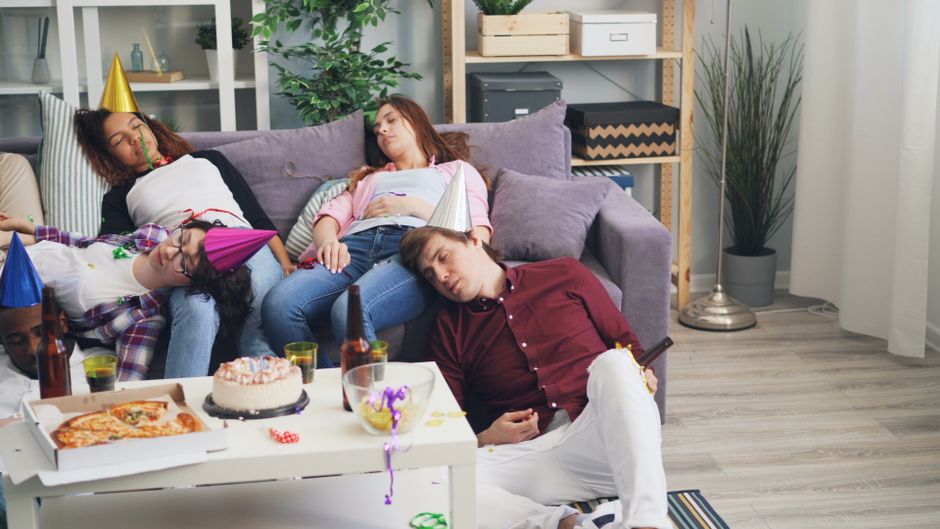
Family events are brilliant for making memories, but they can be hard on soft furnishings. A Sunday lunch turns into red wine on the armchair. A birthday party leaves crumbs in the sofa seams. Someone's little one decides the scatter cushion is a napkin. It happens, and usually all at once. That is why Acton Park upholstery cleaning after family events is such a practical topic for local households: it is about restoring comfort quickly, protecting fabrics before marks settle in, and getting the room back to normal without fuss.
If you live in or around Acton Park, you already know how quickly a home can go from tidy to well-loved after a gathering. The good news is that upholstery does not always need dramatic intervention. With the right approach, you can tackle spillages, dust, body oils, pet hair and food residues before they become permanent. This guide walks through what to do, what to avoid, when DIY makes sense, and when a professional clean is the safer move. For related local reading, you may also find ideas for hosting in Acton useful, especially if you are planning the next gathering already. Slightly optimistic, maybe. But fair enough.
Table of Contents
- Why Acton Park upholstery cleaning after family events Matters
- How Acton Park upholstery cleaning after family events Works
- Key Benefits and Practical Advantages
- Who This Is For and When It Makes Sense
- Step-by-Step Guidance
- Expert Tips for Better Results
- Common Mistakes to Avoid
- Tools, Resources and Recommendations
- Law, Compliance, Standards, or Best Practice
- Options, Methods, or Comparison Table
- Case Study or Real-World Example
- Practical Checklist
- Conclusion
- Frequently Asked Questions
Why Acton Park upholstery cleaning after family events Matters
After a family event, upholstery usually shows the story of the day before the rest of the house does. Sofas trap odours. Dining chairs pick up food grease and drink rings. A fabric footstool may collect crumbs, glitter, confetti, or all three if children were involved. Those marks do not just affect appearance. Left alone, they can become harder to shift because liquids sink into padding, oils oxidise, and dust gets worked deeper into fibres.
In practical terms, the sooner you deal with upholstery after a gathering, the better your chances of keeping fabrics in good condition. This matters particularly in busy Acton homes where furniture gets used heavily through the week, not just on special occasions. A chair that looks fine from across the room may still hold scent, residue or moisture close to the weave. And let's face it, nobody wants to sit down the next evening and catch a faint smell of gravy from the armrest.
There is also a simple comfort factor. A clean sofa makes the whole room feel settled again. After guests leave, that reset matters. It helps the home feel like yours again, not a temporary event space with cushions out of line and bits of cake ground into the fabric.
If you are also dealing with carpet spillages after the same gathering, a related read on deep carpet cleaning for W3 homes can help you think through a room-wide clean rather than tackling one surface at a time.
Expert summary: The best time to clean upholstery after a family event is usually within the first 24 hours, but the right method depends on the fabric, the type of spill and how much residue is left behind.
How Acton Park upholstery cleaning after family events Works
Upholstery cleaning after gatherings is not one single process. It is a sequence of decisions based on the material, the stain and the level of soiling. In normal domestic settings, the process begins with inspection, then dry soil removal, then targeted stain treatment, and finally a controlled clean that avoids over-wetting. The goal is to clean the fibres without leaving the cushion too damp or distorting the fabric.
Here is the basic flow in plain English:
- Identify the fabric type. Cotton blends, polyester, linen mixes, velvet and wool each react differently to moisture and detergents.
- Check the mark. Fresh food stains are easier than dried chocolate, grease or red wine. Body oils and drink spillages need different treatment.
- Remove loose debris. Vacuum crumbs, confetti, pet hair and dust from seams, piping and button tufts.
- Spot treat carefully. Apply a suitable solution to the stain, not the whole cushion, and blot rather than scrub.
- Use low-moisture cleaning where possible. Over-wetting can lead to water marks, slow drying and mildew risk.
- Dry properly. Air movement matters. A clean sofa that stays damp too long is not really clean in a practical sense.
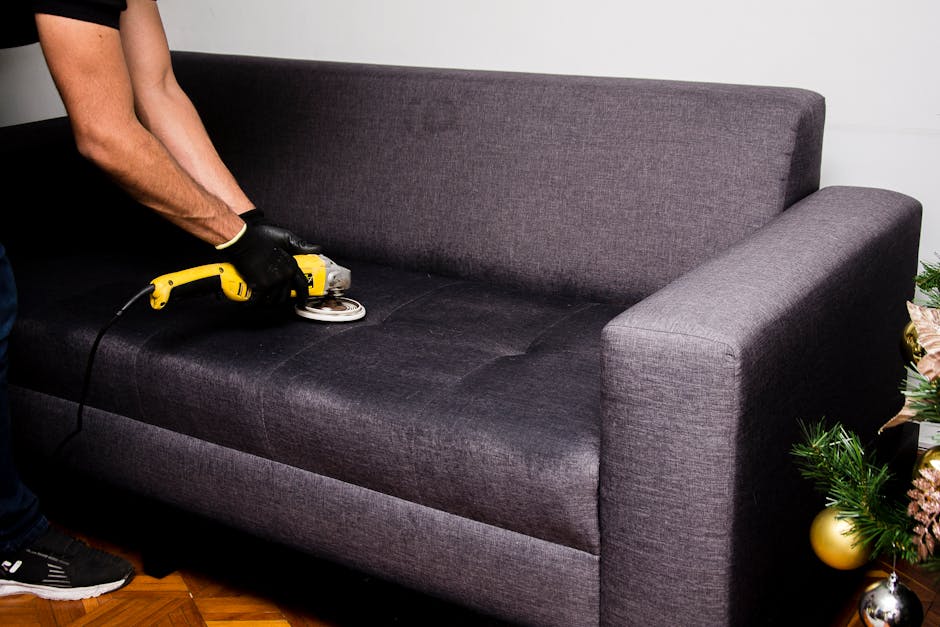
Professionals typically adjust the method based on the fabric care label and the condition of the item. That may include hot-water extraction for some robust materials, low-moisture methods for delicate fabrics, or careful hand work for high-risk textiles. If you have velvet or similar pile fabrics, you may want to compare approaches with the advice in this guide to keeping velvet looking luxe, because pile fabrics need a gentler touch than most people expect.
The real trick is restraint. A lot of upholstery damage happens not because people clean too little, but because they clean too aggressively. That bit surprises people.
Key Benefits and Practical Advantages
Cleaning upholstery after family events offers benefits that go beyond appearance. The obvious one is stain removal, but there is a broader payoff for the home and the furniture itself.
- Faster stain control: fresh spills are usually easier to lift before they bond with fibres.
- Reduced odours: food, drink and body odours can linger in soft seating long after the last guest leaves.
- Improved hygiene: upholstery can hold dust, crumbs and everyday grime that build up faster during events.
- Longer furniture life: regular care helps reduce wear from residue and embedded grit.
- Better living comfort: a fresh sofa, chair or bench makes the room feel calm again.
- Better fabric appearance: pile recovery and colour clarity often improve after proper cleaning.
There is also a family-life benefit people underestimate: less stress. If the aftermath of a get-together looks manageable, the whole event feels easier to enjoy. You are not staring at a mystery stain all week wondering whether it has become permanent.
For households that frequently host, upholstery care also helps preserve the look of the home between occasions. That is especially useful if you are thinking about longer-term property upkeep too; local readers interested in home presentation often browse practical Acton property advice for the same reason: a well-kept interior always carries a better impression.
Who This Is For and When It Makes Sense
This kind of cleaning is not just for people with obvious stains. In truth, it suits any household that hosts family gatherings, whether that means a noisy birthday afternoon, a holiday lunch, a christening tea, or a low-key weekend visit that somehow ends with juice on the sofa. It also makes sense for homes with young children, pets, older upholstered furniture, or delicate fabrics that need more than a quick vacuum.
You will usually want to act sooner if any of these apply:
- someone has spilled wine, coffee, juice or sauce
- there is a greasy food mark on a chair or sofa arm
- the room smells stale after several hours of guests
- crumbs and debris have fallen into seams and cushions
- children have left handprints, lotion marks or sticky residue
- there was smoking outdoors near open windows and fabric picked up the smell
It also makes sense after smaller family events, not just big parties. A few hours of visitors can still leave a surprisingly large amount of surface soil behind. To be fair, some of it is invisible until sunlight hits the fabric the next morning.
If you are preparing a home for a move, end-of-tenancy inspection, or sale after hosting family over the weekend, that is another moment when upholstery attention becomes more than cosmetic. Local readers looking at transition-related cleaning often find Acton end-of-tenancy cleaning near Acton Town Station useful because it shows how surface presentation and practical deep cleaning go hand in hand.
Step-by-Step Guidance
Here is a straightforward way to deal with upholstery after a family event. Keep it calm. No heroics. The wrong impulse is usually to scrub hard and hope for the best. That rarely ends well.
- Start with a dry clean. Use a vacuum with an upholstery tool to remove crumbs, lint, confetti and loose dust. Go slowly over seams and under cushions.
- Read the care label. Check whether the furniture is water-safe, solvent-safe or spot-clean only. If the label is missing, assume caution.
- Test any cleaner first. Choose a hidden area, such as the back edge or underside of a cushion. Wait and check for colour transfer, ring marks or texture changes.
- Blot fresh spills immediately. Use a clean white cloth or paper towel. Press gently. Do not rub in circles.
- Treat the stain by type. Protein stains, tannin stains and grease stains behave differently. A single product does not solve everything.
- Work from the outside inward. This helps keep the stain from spreading.
- Use only as much moisture as needed. Damp, not soaked, is the target.
- Rinse if appropriate. Some cleaning agents leave residue, which can attract more dirt later.
- Dry thoroughly. Open windows if weather allows, and use gentle air movement. Avoid blasting heat straight onto the fabric.
- Reset the room. Replace cushions once everything is fully dry and fluff the fibres back into shape.
If the mark is large, old, or on delicate fabric, stop and reconsider. There is a point where a careful professional clean is the safer and cheaper option. Not glamorous advice, but true.
Expert Tips for Better Results
The difference between a decent clean and a frustrating one often comes down to small choices. These are the things that make a visible difference in practice.
Use white cloths, not coloured ones
Coloured towels can transfer dye when damp. White microfibre or lint-free cotton is safer because you can see exactly what has lifted from the fabric.
Vacuum before you treat anything
Loose grit behaves like sandpaper if you push it around with moisture. Always remove solids first. It is boring advice. It also works.
Blot twice, then wait
Sometimes people keep dabbing because they want instant results. Better to blot gently, let the solution work for a minute, then blot again. Patience beats pressure.
Be careful with velvet and textured weaves
Pile fabrics can crush or change shade if they are scrubbed or over-wet. If you have decorative cushions or a more luxurious sofa finish, refer to this velvet texture-care guide for a sense of how delicate fibres behave.
Drying is part of cleaning
A sofa that dries slowly may develop odour or a water tide line. Leave adequate airflow and give it time. If the room feels cool and damp on a grey London afternoon, drying may take longer than you expect.
Keep a small post-event kit
If you host often, keep a simple kit nearby: white cloths, a soft brush, a vacuum nozzle, and a fabric-safe spot cleaner. It saves time and makes first response much easier.
Practical takeaway: The first five minutes after a spill matter more than the product list. Calm action usually wins.
Common Mistakes to Avoid
Most upholstery mishaps after family events come from a well-meaning rush. You know the kind: someone sees a stain, grabs the nearest spray, and starts rubbing like they are polishing a boot.
- Scrubbing aggressively: this can distort fibres and drive the stain deeper.
- Using too much water: excess moisture can leave rings, slow drying, and damage padding.
- Ignoring the care label: not every fabric tolerates the same treatment.
- Using too much detergent: residue attracts dirt and may leave a sticky feel.
- Cleaning the whole seat for a small stain: this can create uneven drying and shade differences.
- Forgetting hidden areas: seams, undersides and cushion creases trap crumbs and odours.
- Waiting too long: once stains set, you may need a deeper treatment.
Another common mistake is assuming all "natural" solutions are automatically safe. Some home remedies can alter colour or leave a smell behind. Gentle is good. Guesswork is not.
If a furniture piece is especially valuable, antique, or sentimental, it is usually worth being cautious. There is no prize for experimenting on the family heirloom sofa.
Tools, Resources and Recommendations
You do not need a van full of equipment to manage post-event upholstery care. But a few proper tools make the job much easier and safer.
| Tool or Item | Best Use | Why It Helps |
|---|---|---|
| Upholstery vacuum attachment | Removing crumbs, hair and dust from seams | Reaches tight areas without damaging fabric |
| White microfibre cloths | Blotting spills and lifting residue | Reduces dye transfer and shows stain removal clearly |
| Soft upholstery brush | Refreshing nap and pile after drying | Helps fibres sit neatly again |
| Fabric-safe spot cleaner | Treating fresh marks on compatible fabrics | Useful for small, contained stains |
| Portable extraction or low-moisture machine | Deeper cleaning for robust fabrics | Can remove residue more thoroughly when used correctly |
| Dry towels | Absorbing excess moisture after treatment | Speeds up drying and reduces risk of tide marks |
If you prefer to bring in help rather than troubleshoot alone, it is sensible to look at a provider's approach to care, safety and transparency. Pages such as about the team, insurance and safety, and health and safety guidance are useful signals that a company takes the work seriously. That does not tell you everything, of course, but it does help you ask better questions.
If you are weighing up service levels, it can also be helpful to read a general services overview and see whether upholstery care sits alongside broader domestic support. Sometimes one well-planned visit is more efficient than several separate jobs.
Law, Compliance, Standards, or Best Practice
For most household upholstery cleaning in Acton Park, the main compliance issue is not a complicated legal one; it is safe, sensible practice. In the UK, professional cleaners are generally expected to work in line with product instructions, fabric care guidance, and basic health and safety standards. That includes using suitable chemicals, handling equipment carefully, and avoiding unnecessary exposure to moisture, heat or residue.
From a best-practice point of view, there are a few principles worth keeping in mind:
- Follow manufacturer care labels where available.
- Use appropriate cleaning agents for the fabric type and stain type.
- Test first in an inconspicuous area.
- Manage drying properly to reduce mould and odour risk.
- Be transparent if a stain may not fully lift without fabric risk.
If you are hiring help, you should expect clear communication about methods, limitations and aftercare. A trustworthy cleaner should be willing to explain why a fabric needs a lighter touch, not just promise miracles. That honesty matters.
For customers who care about company policies, it can also be reassuring to see references to complaints handling, terms and conditions, privacy policy, and payment and security. Those pages do not clean a sofa, obviously, but they do show how the business operates. That matters more than people think.
Options, Methods, or Comparison Table
Choosing the right approach depends on the upholstery and the mess. Here is a simple comparison to help you decide what suits a post-family-event situation.
| Method | Best For | Pros | Limitations |
|---|---|---|---|
| Vacuuming and spot blotting | Light crumbs, dust, fresh small spills | Fast, low risk, inexpensive | Won't remove deep odours or embedded dirt |
| Home spot treatment | Small marks on fabric-safe furniture | Convenient, quick response | Risk of over-wetting or leaving residue |
| Low-moisture professional clean | Delicate or moderately soiled upholstery | Controlled drying, often safer for sensitive fabrics | Not ideal for every stain type |
| Hot-water extraction | Robust fabrics with deeper soiling | Can lift more embedded grime | Too much moisture for some materials |
| Specialist fabric treatment | Velvet, wool, antiques, and high-value pieces | More tailored and cautious | Usually needs careful assessment first |
In many homes, the right answer is a mix: quick vacuuming today, spot treatment for one stain, and a full clean later if the room has taken a real beating. That is not indecision. It is practical sequencing.
Case Study or Real-World Example
Here is a realistic example based on the sort of post-event situation many Acton households face. A family hosts a birthday lunch on a Saturday afternoon. There are sandwiches, cake, squash, a bit of red wine, and several children moving between the sofa and floor cushions. By the time the last guest leaves, the room looks tidy enough, but the cream armchair has a faint red mark on one side and the two-seater sofa smells slightly sweet and sticky.
Instead of leaving it until Monday, the homeowner acts the same evening. They vacuum the cushions, blot the red mark with a white cloth, and avoid scrubbing. The next morning, they check the area and notice the stain has faded but not fully disappeared. Because the fabric is a soft woven blend and the mark is near the seam, they decide not to push harder with DIY methods. A careful professional clean is arranged, and the stain is treated without roughing up the fabric. The chair returns to normal, and the odour is gone.
That is the important lesson. The win is not always doing everything yourself. Sometimes the win is stopping at the right point before the damage gets worse.
Another small real-world point: if the event also involved curtains, upholstered dining benches, or fabric footstools, it can make sense to think about the room as a whole. A half-clean room still feels half-settled. If that sounds familiar, browsing local moving advice for Acton can be surprisingly relevant because it covers the idea of getting a home reset efficiently, not just cosmetically.
Practical Checklist
Use this simple checklist after a family event when upholstery has taken a bit of a hit.
- Vacuum all upholstered surfaces, including seams and under cushions
- Identify the fabric type and read the care label if available
- Blot fresh spills immediately with a white cloth
- Test any cleaner on a hidden area first
- Use only the amount of moisture needed
- Avoid scrubbing, especially on pile fabrics
- Treat stains by type rather than using one product for everything
- Dry the fabric thoroughly with good airflow
- Refresh pile or nap gently once dry
- Consider professional help for old, large, or delicate stains
- Check cushions, piping and hidden corners for crumbs and residue
- Do a quick room reset so the space feels normal again
If you tick most of those boxes, you are already ahead of the game. Honestly, that is most of the battle.
Conclusion
Acton Park upholstery cleaning after family events is really about protecting comfort as much as fabric. After guests go home and the noise fades, the last thing you want is a lingering stain or smell sitting in the room for days. A sensible, prompt approach keeps upholstery looking better, lasting longer and feeling pleasant to live with. Start with vacuuming, use gentle spot treatment where appropriate, and do not hesitate to bring in expert help for delicate materials or stubborn marks.
For households that host often, a little aftercare goes a long way. It saves time, prevents avoidable damage and makes the next family gathering feel easier before it has even begun. That is the real value here: less stress, more living, and a home that still feels like home when everyone has gone.
Get a free quote today and see how much you can save.
Frequently Asked Questions
How soon should I clean upholstery after a family event?
As soon as you can, ideally within the first day. Fresh spills are much easier to deal with than dried marks, and odours are less likely to settle into the fabric.
Can I use water on all upholstery fabrics?
No. Some fabrics cope well with a small amount of moisture, while others can stain, shrink or distort. Always check the care label if you have one, and test carefully first.
What is the safest way to remove food stains from a sofa?
Lift away solids first, blot the area with a clean white cloth, and use a fabric-appropriate cleaner only if the upholstery allows it. Rubbing is the big mistake to avoid.
Will a strong smell from food or drinks go away on its own?
Sometimes a light smell will fade, but soft furnishings can hold odours longer than people expect. If the room still smells after airing out, a deeper clean may be needed.
How do I clean delicate fabrics after a family gathering?
Be very cautious. Delicate fabrics often need less moisture, gentler products and more careful drying. If the fabric is velvet, wool or vintage, professional assessment is often the wiser route.
Is it better to rent a machine or hire a professional?
It depends on the fabric and the stain. A machine can help with robust upholstery, but a professional is usually safer for fragile materials, older furniture or larger spillages.
What if the stain is already old by the time I notice it?
Do not keep scrubbing. Old stains may need a more controlled treatment, and sometimes a professional clean is the best way to avoid spreading the mark or damaging the fibres.
Can upholstery cleaning help with allergens after a big family event?
It can help remove dust, crumbs, hair and general residue that accumulate when many people are using the room. It is not a medical treatment, but it can improve day-to-day freshness.
How long does upholstery take to dry after cleaning?
Drying time depends on the fabric, the method used, room temperature and ventilation. Low-moisture methods usually dry faster, while heavier cleaning can take longer.
What should I do if my sofa has multiple stains after the event?
Start with dry vacuuming, then treat each stain type separately where possible. If the marks are varied or widespread, a full professional upholstery clean is usually more efficient.
Does regular upholstery cleaning really make a difference?
Yes. Regular care helps reduce residue build-up, keeps fabrics looking brighter and can extend the usable life of furniture. It also makes post-event cleanups less daunting.
When is the point where DIY cleaning is no longer a good idea?
If the stain is large, the fabric is delicate, the furniture is valuable, or you are unsure what the material can handle, it is sensible to stop and get expert help. That is not giving up; it is being careful.
If you want a calmer home after the next gathering, the simplest rule is this: act early, stay gentle, and respect the fabric. The rest usually falls into place.