Health and Safety Policy for Cleaners W3
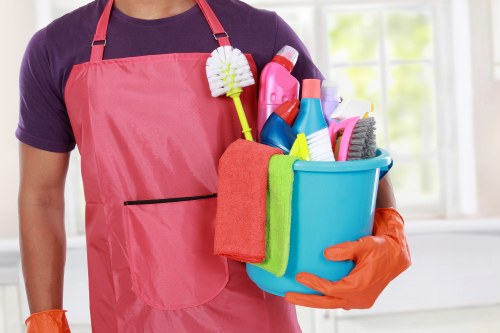 Our health and safety policy for cleaners in W3 sets out a practical approach to reducing risk, protecting workers, and maintaining safe cleaning standards in every environment. Whether duties involve offices, communal areas, retail spaces, or domestic properties, the aim is to ensure that every cleaner can work confidently, carefully, and with proper support. This policy applies to day-to-day cleaning routines, equipment use, chemical handling, and emergency awareness.
The foundation of this policy is simple: prevent harm before it happens. Cleaning work can involve slips, trips, manual handling strain, exposure to substances, and contact with waste or contaminated surfaces. By using sensible controls, clear procedures, and suitable protective equipment, cleaners in W3 can carry out tasks safely while keeping premises hygienic and presentable.
Safe working practices begin with planning. Before starting any job, cleaners should assess the area, identify hazards, and choose the safest method for the task. Floors should be checked for wet patches, loose items, cables, or unstable objects. Where possible, cleaning should be scheduled to reduce disruption and avoid unnecessary exposure to people, vehicles, or moving equipment.
Core Responsibilities
Every cleaner has a duty to follow instructions, use equipment correctly, and report unsafe conditions promptly. Supervisors and managers are responsible for making sure staff receive suitable training, access to safe tools, and clear information about risks. The policy encourages teamwork, communication, and attention to detail so that W3 cleaners can work efficiently without cutting corners.
Personal Protective Equipment
Appropriate PPE must be worn when required. This may include gloves, eye protection, aprons, and slip-resistant footwear. PPE should be selected to match the task and the substance being used. It must be kept clean, stored properly, and replaced when damaged. Cleaners should not rely on PPE alone; it works best when combined with safe procedures and good housekeeping.
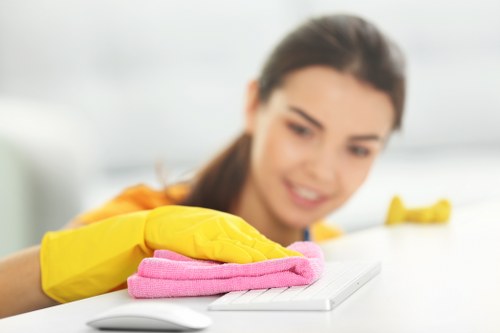 Chemical safety is an important part of any cleaning policy for W3. Detergents, disinfectants, and specialist products should be stored securely, labelled clearly, and used according to the manufacturer’s instructions. Never mix products unless guidance allows it, as this may create harmful fumes or dangerous reactions. When using sprays or concentrated solutions, adequate ventilation should be maintained.
Risk Control Measures
To reduce the chance of injury, cleaners should use correct manual handling techniques. Heavy bins, water containers, vacuum equipment, and stocked trolleys should be moved with care. Where an item is too heavy or awkward, assistance or mechanical aid should be used. Repetitive movements should be varied where possible to reduce strain on the back, shoulders, and wrists.
 Slips and trips remain one of the most common hazards in cleaning work. To manage this risk, staff must keep walkways clear, place warning signs where floors are wet, and avoid leaving cords or tools in access routes. Spills should be cleaned immediately, and mopping should be done in sections to reduce the chance of someone stepping onto a recently treated surface.
Training and supervision are essential to maintaining a safe working environment. New cleaners should receive induction on safe equipment use, chemical handling, waste segregation, and incident reporting. Refresher training helps reinforce safe habits and ensures that cleaning health and safety in W3 remains consistent across different locations and shifts.
Equipment, Hygiene, and Waste
Cleaning tools and machines must be inspected regularly before use. Faulty vacuums, broken mop handles, damaged cords, and worn brushes can create hazards and reduce effectiveness. Any defective item should be removed from service and reported. Cleaners should also keep equipment in good condition by following routine cleaning, charging, and storage procedures.
Good hygiene protects both workers and building users. Hands should be washed or sanitised after contact with waste, chemicals, or dirty surfaces, and before eating, drinking, or smoking. Cuts or grazes should be covered with waterproof dressings. In areas where there is a higher risk of contamination, extra precautions may be required, including stricter PPE use and separate cleaning materials.
Waste handling must be carried out carefully. Sharps, broken glass, and contaminated materials should never be handled directly unless suitable tools and containers are provided. Waste bags should not be overfilled, and containers should be closed securely before moving them. If a cleaner discovers hazardous waste, the area should be isolated and the situation reported according to procedure.
Emergency Awareness and Reporting
 All cleaners should know what to do in an emergency, including fire alarms, chemical splashes, injuries, and spill incidents. Escape routes must remain unobstructed, and emergency equipment should not be moved or blocked by cleaning activities. If an accident occurs, the first priority is to make the area safe, get help if needed, and report the incident as soon as possible.
Accident and near-miss reporting is vital for preventing repeat incidents. Even minor issues, such as a slippery patch, a damaged tool, or a product label that is hard to read, should be recorded and communicated. This helps managers identify trends, improve controls, and strengthen the overall cleaners W3 safety system.
 In summary, this policy supports a culture of care, responsibility, and awareness. By using safe methods, wearing the right protective gear, handling chemicals properly, and reporting hazards early, cleaners can protect themselves and others while maintaining high standards. A well-managed health and safety policy for cleaners is essential to effective, reliable, and safe cleaning work.