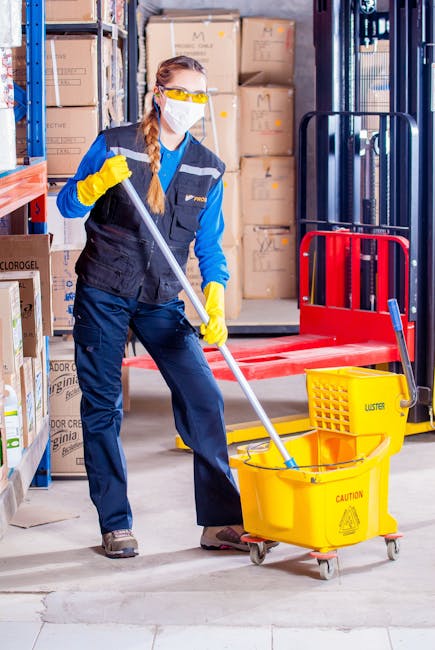
Acton office cleaning for shops and local businesses

If you run a shop, small office, cafe, studio, or local service in Acton, cleaning is never just "tidying up." It affects how customers feel when they walk in, how staff work through the day, and whether the place feels cared for or, well, a bit neglected. Acton office cleaning for shops and local businesses is really about keeping your premises presentable, hygienic, and workable without making daily operations harder than they need to be. And truth be told, that balance matters more than most people expect.
This guide breaks down what commercial cleaning in Acton usually involves, how to plan it properly, what to ask for, where the common mistakes are, and how to choose the right level of support for your business. If you want the practical version rather than the sales pitch, you're in the right place.
- Why it matters
- How it works
- Key benefits
- Who it is for
- Step-by-step guidance
- Expert tips
- Common mistakes to avoid
- Tools and recommendations
- Compliance and best practice
- Options and comparison
- Real-world example
- Practical checklist
- Conclusion
- Frequently asked questions
Why Acton office cleaning for shops and local businesses Matters
In Acton, local businesses often live and die by first impressions. A spotless counter, clean entrance mat, streak-free glass, and a fresh-smelling back office send a simple message: this place is organised and trustworthy. That is true whether you're greeting retail customers, handling appointments, serving takeaway coffee, or working in a small professional office.
Shop cleaning and office cleaning overlap, but they are not identical. Shops need customer-facing detail: windows, floors, fitting rooms, till areas, and product display zones. Offices need a different rhythm: desks, touchpoints, washrooms, meeting rooms, kitchenettes, bins, and the quiet practical stuff that keeps people focused. Miss those details and things start to slip. Dust builds, odours hang around, and staff notice before customers do.
There is also the simple matter of routine. Busy high streets and mixed-use streets in and around Acton can drag in mud, pollen, food debris, and general street dust faster than people realise. If your premises sit near foot traffic, deliveries, or public transport routes, daily grime gets tracked in. It happens. No drama, just London life.
For businesses that want a broader local context, it can help to think about the area itself. Acton is a varied part of West London, with a mix of residential streets, retail units, independent operators, and small professional firms. If you want a bit of background on the local area, this Acton overview is a useful companion read. For those settling into the area, local moving advice for Acton can also be handy.
Key takeaway: good commercial cleaning is not about making a place look "clean once." It is about keeping customer areas welcoming, staff areas workable, and hygiene standards steady week after week.
How Acton office cleaning for shops and local businesses Works
Most commercial cleaning arrangements work in a fairly straightforward way, even if the exact setup changes from business to business. The process usually starts with a walk-through or brief assessment of the premises. That helps define what needs regular attention, what needs periodic deeper cleaning, and what should be avoided because it is delicate, high-risk, or simply not relevant.
A good cleaning plan usually groups tasks into three buckets:
- Daily or frequent essentials - bins, bathrooms, touchpoints, floors, kitchens, and visible dust.
- Weekly or scheduled detail work - skirting boards, glass, high-touch fixtures, deeper vacuuming, and dusting harder-to-reach areas.
- Periodic specialist tasks - carpets, upholstery, chairs, partition cleaning, and a more thorough reset after events or busy trading periods.
For office environments, the flow often revolves around start-of-day readiness or after-hours work so staff are not interrupted. Shops tend to need more flexible timing because customer footfall can be unpredictable. A good cleaner will work around opening hours, delivery slots, and staff breaks instead of forcing a rigid timetable onto the business. That sounds obvious, but it's where many arrangements become awkward.
Materials matter too. A small office with laminate floors and wipeable desks needs different products and methods from a clothing shop with delicate displays or a local salon with more frequent hair, product, and footfall residue. The right cleaning method should match the surfaces, not just the schedule.
Where soft furnishings, floor coverings, or upholstered seating are part of the premises, specialised care becomes useful. For example, if you also manage carpeted areas, it can make sense to look at professional carpet cleaning in W3. Likewise, if your waiting area or staff room includes fabric seating, upholstery cleaning may be worth folding into the plan now and then.
Key Benefits and Practical Advantages
The obvious benefit is appearance. Clean premises look more professional. But the real value goes deeper than that. In day-to-day business, the gains show up in small ways: fewer complaints, less time spent by staff on ad hoc wiping, a better atmosphere, and a lower chance of embarrassing messes when customers walk in unexpectedly.
- Better customer confidence: people are quick to judge a business by its entrance, floors, and bathrooms.
- Improved staff morale: a clean workspace tends to feel calmer and easier to work in.
- Less disruption: regular maintenance is usually easier than trying to rescue a neglected space.
- Longer life for surfaces: dirt, grit, and spills wear materials down if they are left too long.
- More consistent presentation: your business looks the same on a Tuesday morning as it does on a busy Friday afternoon.
There is also a subtle commercial benefit: cleaner spaces tend to support better sales conversations. Not magically, of course. But in a shop, a tidy counter and a fresh floor remove friction. In an office, a well-kept meeting room helps everyone focus on the conversation rather than the crumbs on the table. Small thing? Sure. Still matters.
For businesses working around property moves, refurbishments, or turnover, it can be useful to compare cleaning approaches with adjacent services. If you're handling a premises handover, end-of-tenancy cleaning gives a good sense of deep-clean expectations, while office cleaning is the more direct fit for ongoing workplace maintenance.
Who This Is For and When It Makes Sense
This type of cleaning is not only for large companies. In fact, the businesses that benefit most are often the smaller ones, because they have fewer spare hands and less tolerance for things sliding out of control.
- Independent shops with regular customer footfall, stock displays, and changing weather conditions at the entrance.
- Local offices that need desks, meeting areas, and washrooms kept presentable without overburdening staff.
- Cafes and takeaway businesses where surfaces, floors, and bins can build up quickly.
- Studios and consultancies that host clients in a compact professional space.
- Mixed-use premises where there may be retail downstairs and admin or back-office space above or behind.
It also makes sense after seasonal peaks, local promotions, product launches, or events. If you had a busy weekend and the place now looks tired by Monday morning, that is usually the moment to tighten the schedule rather than wait for the mess to become routine.
And yes, some businesses try to manage everything in-house. That can work for a while. But if staff are constantly "just doing a quick clean" between customers or calls, the work gets patchy. It's not that people don't care. They do. They're just busy. Very busy.
Step-by-Step Guidance
If you are setting up cleaning for a shop or local business in Acton, a structured approach saves time and avoids confusion later. Here's a sensible way to do it.
- List the spaces that matter most. Start with customer areas, then add washrooms, staff areas, stockrooms, and entrance points.
- Separate daily tasks from deep-clean tasks. Not every area needs the same level of attention every day.
- Identify risk points. Think about greasy floors, glass doors, public contact points, food waste, or high-traffic carpeted sections.
- Decide the timing. Before opening, after closing, or split shifts can all work, but choose what causes the least disruption.
- Match methods to surfaces. Hard floors, glass, laminate, upholstery, carpets, and stainless steel all need different treatment.
- Set expectations in writing. A clear checklist prevents the familiar "I thought that was included" conversation.
- Review after the first few visits. Small adjustments early on usually make the whole arrangement much better.
A practical example: a small shop with a front sales area, a compact store room, and one staff toilet may only need a simple weekday clean plus a deeper weekly reset. A solicitor's office with client meetings, shared desks, and tea points may need a different pattern, with more attention to touchpoints and communal areas. Same general idea, different reality. That's the bit people sometimes skip.
If your premises sit near the wider W3 area and have a lot of mixed-use traffic, you may also find it useful to look at deep carpet cleaning insights for W3 properties, especially if your floor coverings take a beating from muddy shoes and regular visitors.
Expert Tips for Better Results
Here are the things that usually make the biggest difference in practice.
- Keep entrance zones stricter than the rest of the site. The entrance decides the first impression and catches most of the grime.
- Use microfibre properly. It is excellent for dusting and detailing, but it needs clean, well-maintained cloths or it just moves dirt around.
- Do touchpoints daily. Handles, switches, taps, card terminals, and shared equipment deserve more than occasional attention.
- Protect the floor plan. Mats, liners, and simple walk-off zones can reduce tracked-in dirt a surprising amount.
- Rotate deeper tasks. Skipping one deep-clean slot often becomes skipping three. Funny how that happens.
- Choose cleaning times that fit trading patterns. A quiet hour can be more effective than a rushed slot at the end of a packed day.
- Document what "done" looks like. That avoids the grey area between "looks okay" and "actually up to standard."
A little human advice here: do not build the cleaning plan around the best day of the week. Build it around the worst realistic day. Rainy Friday. Delivery delay. Customers in and out. Spills. If the routine survives that, it will probably survive the rest.
For businesses that also care about the bigger picture of operating responsibly, pages like health and safety policy information, insurance and safety guidance, and complaints procedure details can help set expectations about how a professional provider should behave.
Common Mistakes to Avoid
Most problems in commercial cleaning come from vague expectations rather than bad intentions. A few common pitfalls keep showing up.
- Trying to clean everything equally. Some areas need daily care, others only need periodic attention.
- Ignoring washrooms and staff kitchens. These are often where people judge standards most quickly.
- Overlooking the entrance. If the doorway looks tired, the whole business feels less sharp.
- Using the wrong products on the wrong surfaces. A shiny finish can be ruined fast if someone uses the wrong chemical or cloth.
- Leaving clutter in place. Cleaners can work far more effectively when surfaces are clear, simple as that.
- Assuming "quick tidy" equals "clean enough." It often doesn't, especially in customer-facing spaces.
One subtle mistake is failing to think about seasonal shifts. Winter mud, spring pollen, summer dust, and autumn rain all change the cleaning load. A plan that works in March may be a bit flimsy by November. Happens all the time.
Tools, Resources and Recommendations
You do not need a mountain of equipment to maintain a good commercial standard, but a sensible set-up helps. At minimum, a business should think in terms of the right cloths, floor care equipment, appropriate cleaning agents, and a clear waste routine.
Useful practical categories include:
- Microfibre cloths and mops for dust control and streak reduction.
- Neutral floor cleaners for routine maintenance on compatible hard floors.
- Vacuum cleaners with suitable attachments for edges, corners, upholstery, and entrance mats.
- Colour-coded cloth systems to help separate washroom cleaning from other areas.
- Dedicated bins and liners for predictable waste handling.
- Spill-response supplies so accidents don't sit around until later.
Resources from the same site can also help you map out the wider service landscape. The services overview is useful if you want to understand the broader range of cleaning support available, while pricing and quotes guidance can help you think through budget planning without jumping straight to assumptions. If security matters for your booking process, payment and security information is worth a look.
For some businesses, carpet and upholstery care sit beside the main cleaning routine rather than inside it. That is especially true in waiting rooms, reception spaces, or back-office areas with fabric seating. On the human side of things, this is usually where people say, "We didn't realise how much better it could look." They usually mean it. You can see the difference.
Law, Compliance, Standards, or Best Practice
For shops and local businesses, cleaning should sit comfortably alongside everyday UK workplace expectations. That does not mean every small business needs a huge compliance file. It does mean the cleaning approach should support a safe, reasonable, and well-managed environment.
In practical terms, best practice usually includes:
- Keeping walkways clear so staff and customers can move around safely.
- Managing spill risks promptly to reduce slips and mess spreading.
- Using suitable products safely and storing them properly.
- Training staff or contractors where tasks involve chemicals, equipment, or access to sensitive areas.
- Recording important procedures such as safety notes, access arrangements, and issue reporting.
If a business handles customer information, food, valuables, or specialist stock, the cleaning plan should also respect privacy and operational security. In that sense, cleaning is not only about hygiene. It is part of the wider duty of care to staff, visitors, and the business itself.
Some providers also publish supporting policy pages such as terms and conditions, privacy policy, accessibility statement, modern slavery statement, and cookie policy. Not every business owner will read all of those, let's face it, but they do signal a more structured and accountable operation.
Options, Methods, or Comparison Table
Choosing the right cleaning method is usually less about finding the "best" option and more about finding the one that fits your premises, budget, and trading rhythm. Here is a simple comparison.
| Approach | Best for | Strengths | Trade-offs |
|---|---|---|---|
| DIY staff-led cleaning | Very small premises with light use | Low direct cost, flexible, immediate | Inconsistent standards, staff distraction, missed detail |
| Scheduled professional cleaning | Most shops and offices | Reliable, structured, better finish, less disruption | Ongoing service cost |
| Periodic deep cleaning only | Premises with light day-to-day use | Good for refreshes and seasonal reset | Doesn't solve daily wear and visible mess |
| Hybrid model | Busy businesses with mixed needs | Balances cost, control, and consistency | Needs clear handover and task separation |
For a lot of Acton businesses, the hybrid model is the sweet spot. Staff do the small daily touches, while a professional cleaner handles the structured work that needs more time, equipment, or consistency. It is a practical middle ground, not a compromise.
Case Study or Real-World Example
Imagine a small Acton shop that opens six days a week and sees a steady stream of foot traffic. The owner and staff already do a basic tidy at the end of the day, but by Friday the front door glass is marked, the floor near the entrance is gritty, and the back room is becoming a bit chaotic. Nothing dramatic. Just enough to make the business feel tired.
They switch to a more structured cleaning plan. The entrance, floors, till area, and washroom are handled regularly, while the stockroom gets a weekly reset. A deeper clean is scheduled every so often for neglected corners, skirting, and upholstery in the staff area. After a few weeks, the space feels calmer. Staff spend less time apologising for mess. Customers stop seeing small distractions. The shop does not suddenly become glamorous, obviously, but it feels cared for. That is the point.
For a local office, the effect is similar but slightly quieter. Clean desks, clear bins, and fresh meeting spaces reduce the little frictions that slow people down. You will notice it on a Monday morning when everyone arrives and the room does not feel heavy or stale. That counts for more than people admit.
If your premises are close to an area with frequent turnover or changing occupancy, adjacent topics like Acton end-of-tenancy cleaning near Acton Town Station can offer useful insight into how thorough a deep reset can be when a space needs to be brought back to standard quickly.
Practical Checklist
Use this as a simple pre-setup or review checklist for your business.
- Have you separated customer areas from staff-only areas?
- Do you know which spaces need daily attention and which do not?
- Are entrance zones, glass, and floors included in the plan?
- Have washrooms and hand-contact points been prioritised?
- Is the cleaning schedule set around opening hours and deliveries?
- Are suitable products being used for each surface?
- Is there a clear way to report missed tasks or issues?
- Are carpets, upholstery, or other specialist surfaces included where relevant?
- Do staff know what they are responsible for and what the cleaner handles?
- Has the plan been reviewed after real use, not just on paper?
If you can tick most of those boxes, you are already ahead of many local businesses. If not, no worries. It's fixable.
Get a free quote today and see how much you can save.
Conclusion
Acton office cleaning for shops and local businesses is really about keeping the day-to-day smooth. Clean floors, fresh washrooms, tidy counters, and consistent upkeep do more than look nice. They support trust, reduce friction, and make the whole premises easier to run. For local businesses, that is not a luxury; it is part of operating well.
The best cleaning setup is usually the one that fits how your business actually works, not how a brochure says it should work. Start with the spaces customers see, protect the staff areas, and build from there. Keep it practical. Keep it regular. And do not wait until things feel embarrassing before making a change.
In a busy part of London, a well-kept business stands out quietly. Not loudly. Just enough to make people trust it. And that, honestly, is a good place to be.
Frequently Asked Questions
What does Acton office cleaning for shops and local businesses usually include?
It typically includes floor care, dusting, bins, washrooms, touchpoints, glass, staff areas, and customer-facing spaces. Some businesses also add carpet or upholstery care when needed.
How often should a small shop be cleaned?
That depends on footfall, layout, and what you sell. Busy shops often need daily attention to entrances, floors, and touchpoints, with deeper cleaning scheduled weekly or periodically.
Is office cleaning different from shop cleaning?
Yes, a bit. Offices usually focus more on desks, meeting rooms, kitchens, and shared work areas, while shops need stronger attention to entrances, display areas, tills, and customer-facing detail.
Can staff do some cleaning themselves?
Yes, and many businesses do. A hybrid approach often works well: staff handle light daily upkeep, while a professional cleaner takes care of the structured, more thorough work.
What should I look for in a commercial cleaner in Acton?
Look for clear communication, a sensible checklist, flexible timing, attention to detail, and a professional approach to safety, access, and consistency.
Do I need deep cleaning as well as regular cleaning?
Usually, yes. Routine cleaning keeps the place presentable day to day, while deep cleaning deals with built-up dirt, detail areas, carpets, upholstery, and seasonal refreshes.
How do I avoid disruption during cleaning hours?
Choose times that fit your opening pattern, deliveries, and staff workflow. Many businesses prefer early mornings, late evenings, or quieter trading windows.
Why do entrances and floors matter so much?
Because they take the most wear and are seen first. If the entrance looks dirty or the floor feels gritty, people often assume the whole business is less well maintained.
Are carpets and upholstery worth including in a business cleaning plan?
Absolutely, if your premises have them. Carpets and fabric seating trap dust and wear quickly in busy spaces, so periodic specialist care helps them last longer and look better.
How can I tell if the cleaning standard is high enough?
Look beyond the obvious. Check corners, edges, bathrooms, bins, touchpoints, and the entrance. If those areas stay consistent and the space feels fresh over time, the standard is probably good.
What if my business has unusual surfaces or delicate fixtures?
That should be flagged early. Delicate finishes, special flooring, display furniture, or high-value stock may need a tailored method rather than a generic clean.
Where can I read more about services and related support?
You can explore the broader services overview and related pages such as about us if you want more background on the business and the wider service approach.